Grooming
How Many Days Before the Wedding Should the Groom Get His Haircut?
The definitive timing answer, keyed to his hair length and style — plus a trial-cut and barber-booking schedule you can lock into the wedding timeline.
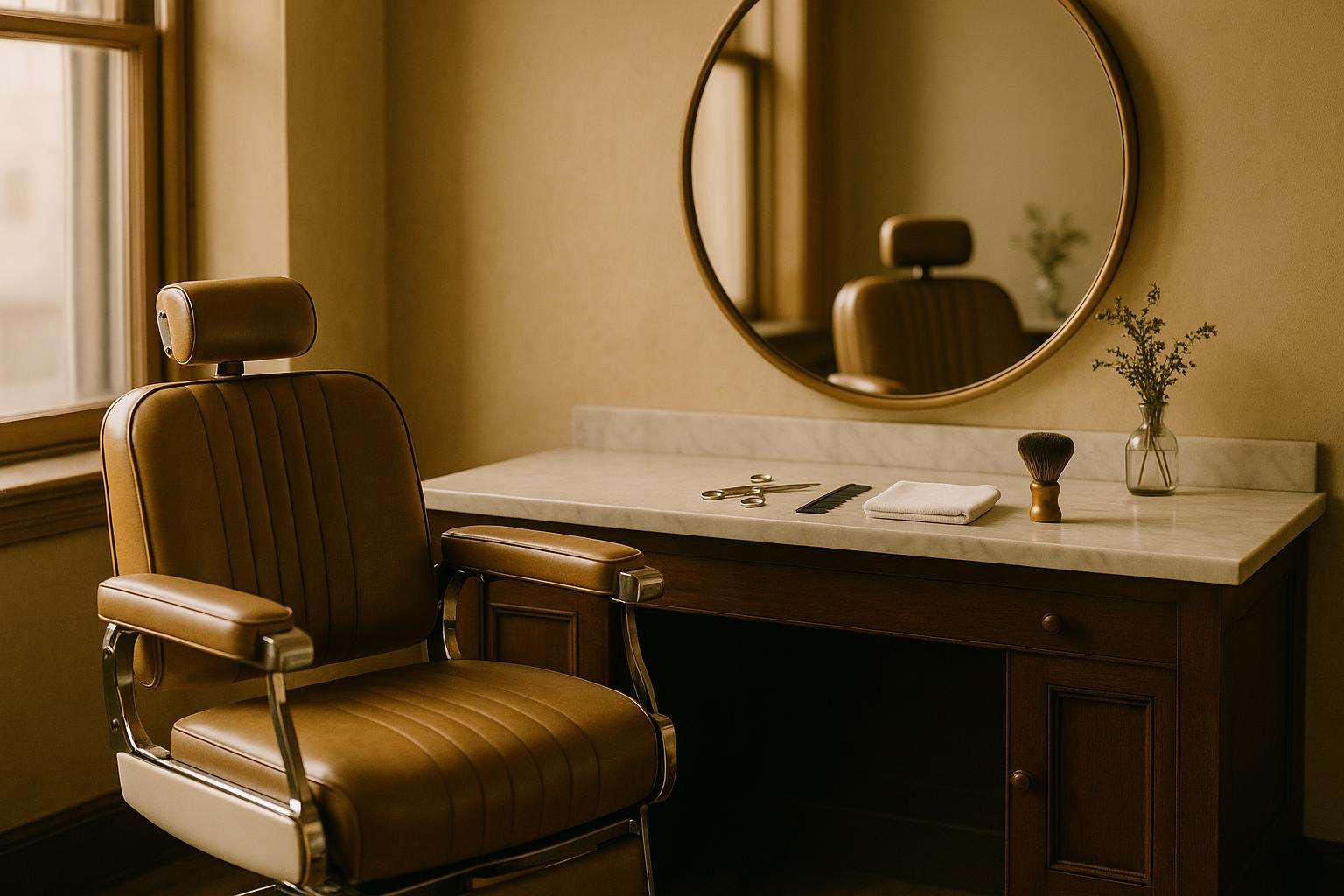
For most men's styles, the groom's final haircut belongs five to seven days before the wedding. For a tight fade or short taper, tighten that to two to three days — the so-called 72-hour rule. If he is trying a new look or a new barber, add a trial cut four to six weeks out. The one rule with no exceptions: never a fresh cut the morning of, or the day before.
If you are the one keeping the wedding timeline, his haircut is one of the easiest things to get exactly right — and one of the most common to get slightly wrong. The instinct is to send him to the barber as late as possible so he looks his sharpest. The truth is the opposite: a haircut needs a few days to settle before it photographs as him rather than as a haircut. Here is the full schedule, keyed to his hair, so you can put the appointments straight into the calendar.
What is the ideal number of days before the wedding for the groom's haircut?
The professional consensus lands on roughly one week — five to seven days — before the wedding for most styles. The Knot recommends getting the wedding haircut about a week before, which gives him time to learn how to style it and make any small adjustment before the day. That window exists because of what stylists call the settling-in period. A just-cut head has a stark hairline, and the skin at the temples and along the nape can look slightly pale or pink where the clippers ran. A few days lets the shape soften and the skin even out, so the cut reads as a polished version of his everyday self.
There is also a sharper, more personal way to find his number. Zola suggests booking a regular appointment first and counting the days until his hair hits its sweet spot — the day it looks best to him — then scheduling the wedding cut exactly that many days out. If his hair always looks best twelve days after a cut, book twelve days before the wedding. It turns guesswork into a rule built around his own hair.
Does the timing change for a fade versus longer hair?
It does, and this is where most planners go wrong by treating every groom the same. Length and structure move the window meaningfully.
| His hair / style | Final cut | Why |
|---|---|---|
| Tight fade or short taper (high, low, skin fade) | 2–3 days before | Crisp lines stay sharp, and any razor redness has just enough time to calm — the 72-hour rule. |
| Classic medium style (side part, textured crop, pompadour, slick back) | 5–7 days before | The most photogenic, timeless choices; enough time to soften and to practice styling. |
| Longer or grown-out (layers, low ponytail, man bun) | Shaping trim ~1 month out, light cleanup ~1 week before | Preserves natural growth and volume; the trim only tidies split ends and the neckline. |
Short, structured cuts grow out fastest and look unkempt soonest, so they want the latest, tightest window. Longer styles want the reverse — a shaping cut weeks ahead, then only a gentle cleanup near the day. The guiding idea, again from The Knot, is that the best wedding haircut is a refined version of his everyday style, not a dramatic new one. Wedding photographs are permanent; timeless beats trendy every time.
What is the "never day-of" rule and why does it matter?
The single most common groom grooming mistake is the fresh cut the day before — or worse, the morning of. Barbers are blunt about it: fresh cuts photograph as fresh cuts. The hairline is hard and obvious, the skin at the temples and nape can look irritated or pale, and the whole head reads as just done instead of naturally his. No amount of styling fully hides a too-fresh cut under camera flash and daylight.
There is one legitimate exception, and it is not a haircut. Having a barber on-site the morning of for tiny cleanups — stray hairs, a quick neckline tidy, and styling only — is a lovely touch, and a generous one if you extend it to the groomsmen. That is finishing, not cutting. The full clipper work should already be three to seven days behind him.
How should the planner schedule the trial cut and barber booking?
Here is the clean, lockable sequence to drop into the timeline:
- 3–6 months out: choose the barber and the look. If he is changing length, start growing now.
- 4–6 weeks out: the trial cut — essential if the barber or the style is new. It shows how the cut grows out and whether it suits his face on an ordinary day, with time to adjust.
- 2–3 weeks out: an optional shaping cut to set length and taper, especially for longer hair.
- 5–7 days out: the final cut for most styles (2–3 days for a tight fade).
- Morning-of: on-site stray-hair cleanup and styling only — never a full cut.
Two details matter as much as the dates. First, if he has a regular barber, send him there — a barber who knows his hair can work the tighter two-to-three-day window safely. Second, have him bring a reference photo and tell the barber it is for a wedding. That context changes the approach: a more conservative taper, a cleaner neckline that holds through the ceremony, and a cut chosen to perform under the day's heat and your photographer's lens. If the venue is outdoors or warm, he should mention how his hair behaves in humidity so the barber can plan for it.
Get the window right and his hair simply looks like a very good day — sharp, settled, unmistakably him. That is exactly what you want looking back at you in the photographs decades from now.
Frequently asked
How many days before the wedding should the groom get his haircut?
For most men's styles, the final haircut belongs five to seven days before the wedding. That gives a fresh cut time to settle so the hairline softens and any clipper redness fades, letting it photograph as a polished version of his everyday look. If he wears a tight fade or short taper, tighten the window to two to three days — the 72-hour rule — so the lines stay crisp while the skin calms. The Knot recommends about a week out as the general rule for the same reason: enough time to learn the styling and make small adjustments before the day.
Why should the groom never get his haircut the day before or the morning of the wedding?
Because fresh cuts photograph as fresh cuts. The day before or morning-of leaves a stark, hard hairline and skin at the temples and nape that can look pale or irritated where the clippers ran — the whole head reads as just-done rather than naturally his. Barbers consistently warn against it. A haircut needs a few days to settle. The only acceptable morning-of barber work is light finishing — stray-hair cleanup and styling — not a full cut, which should already be three to seven days behind him.
Does the haircut timing change if the groom has a fade versus longer hair?
Yes. A tight fade or short taper wants the latest window — about two to three days out — because crisp lines blur and grow out fastest, and razor redness needs roughly three days to fully calm. A classic medium style (side part, textured crop, pompadour) sits in the standard five-to-seven-day window. For longer or grown-out hair, reverse the strategy: a shaping trim about a month out, then a light cleanup roughly a week before that only tidies split ends and the neckline while preserving natural volume and growth.
Should the groom do a trial haircut before the wedding?
If he is changing his style, growing or cutting significant length, or working with a barber he has not used before, yes — book a trial cut four to six weeks out. It reveals how the cut grows in, whether it suits his face on an ordinary day, and gives time to adjust before the real appointment. If he is keeping his usual look with his regular barber, a trial is optional, and the standard final-cut window is enough. A smart trick from Zola: after the trial, count the days until his hair hits its best, then book the wedding cut exactly that many days out.
What should the groom tell his barber before the wedding cut?
He should say plainly that it is for his wedding and bring a reference photo. That context nudges the barber toward a more conservative taper and a cleaner neckline that holds through the ceremony timeline. He should also be honest about his real morning routine — how much time he spends styling and which products he actually uses — so the cut performs on the day rather than only looking good leaving the chair. If the venue is outdoors or warm, he should mention how his hair behaves in humidity so the barber can choose a shape that stays put.
Can the groom have a barber come on the wedding morning?
Yes — for finishing, not cutting. An on-site barber the morning of is a lovely touch for tidying stray hairs, refining the neckline, and styling, and it is a generous gesture to extend to the groomsmen too. Zola notes a day-of stylist helps the whole party look its best. The key distinction is that the actual clipper work — the real haircut — should already be three to seven days behind him. Morning-of is for the final polish and a confident look in the mirror, never a brand-new cut that will photograph as fresh.