The Groom's Role
The Father of the Groom: Role, Duties, and Modern Expectations
A calm, complete guide to what the father of the groom actually does — across planning, the rehearsal dinner, the ceremony, and the reception — and how to tell him exactly what you need.
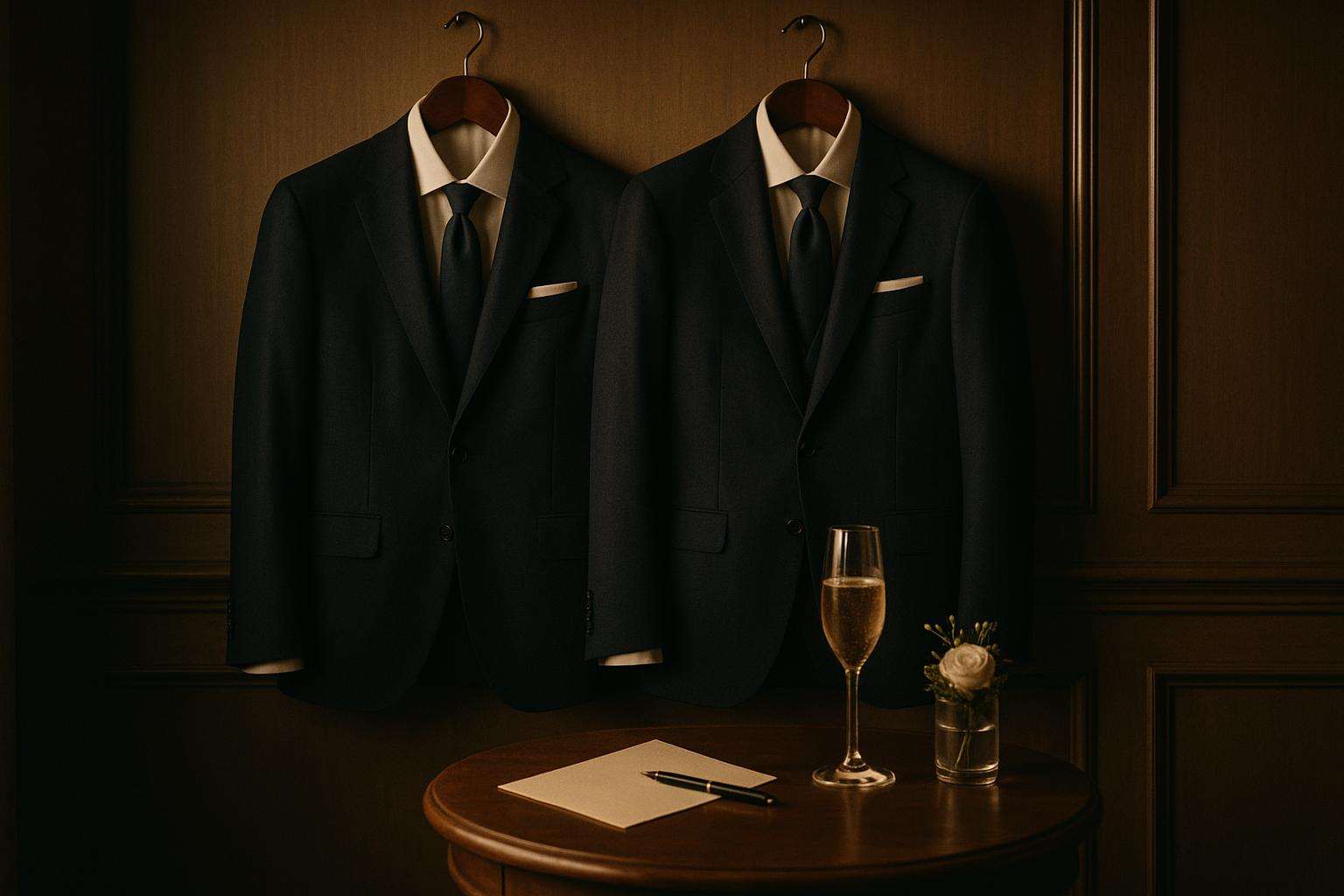
The father of the groom is a supporting, behind-the-scenes figure. Traditionally his signature duties are helping host the rehearsal dinner and offering a warm welcome toast; beyond that he stands in the family processional, joins the formal portraits, and acts as a gracious host to guests. The modern role is defined far more by relationship than by rule — so the kindest thing you can do is tell him plainly what you would like, rather than leave him to guess at fading conventions.
Of all the figures around a wedding, the father of the groom is the one most often left without a script. The father of the bride has his walk down the aisle; the best man has his speech. The groom’s father, by long custom, occupies a quieter place — present, dignified, and supportive, but rarely centre stage. That can leave a couple unsure what to ask of him, and leave a good man unsure how to help. This guide lays out what the role has traditionally meant, what is genuinely expected today, and how to coordinate both fathers so that everyone arrives knowing exactly where he stands.
What is the role of the father of the groom?
Etiquette authorities describe the father of the groom as a supporting member of the wedding party — a role with far fewer fixed duties than the father of the bride carries. According to The Knot’s guide to father-of-the-groom duties, his classic responsibilities cluster around three things: helping to host (and often help fund) the rehearsal dinner, standing in the ceremony in a supportive capacity, and offering a welcome toast that thanks the guests and welcomes the newest member of the family.
Historically, this division made sense: when the bride’s family hosted and paid for the wedding itself, the groom’s family’s signature contribution was the night before. Beyond that, he is part of the family seating and processional, may escort the mother of the groom, and is included in the formal family photographs. Crucially, in strict tradition he has no obligatory reception speech — though, as you will see, that has changed for many families.
What does the father of the groom do before the wedding?
In the months of planning, his role is relational and logistical rather than decision-making. He is not expected to choose flowers or weigh in on the seating chart unless invited to. What he typically does:
- Co-hosts the rehearsal dinner. This is the heart of the traditional role — helping plan the venue, the guest list (with the couple), and frequently covering some or all of the cost. Martha Stewart Weddings notes that the rehearsal dinner has long been the groom’s family’s event to host, though today it is just as often shared.
- Coordinates his attire. He should dress to the wedding’s formality and palette — usually a suit or tuxedo that matches the dress code, a touch dressier than a guest but distinct from the groom and groomsmen. Men’s Wearhouse’s attire guide recommends aligning with the wedding party rather than competing with it.
- Shows up for the milestones. Engagement party, the rehearsal, and any family events — his presence is the contribution.
- Acts as a sounding board for his son, who may want a steadying voice during a busy, emotional season.
What are the father of the groom’s duties on the wedding day?
On the day itself his duties are gentle but real. He arrives early and correctly dressed; he makes himself available for getting-ready or first-look photographs if the couple wants them; he takes his place in the processional (often escorting the mother of the groom) and the front-row family seating; and he joins the formal portraits. Throughout the day he serves as an informal host — greeting guests, welcoming extended family, and easing introductions, especially among people he knows. At the reception he may be invited to dance and, increasingly, to speak. Here is the role at a glance, by phase:
| Phase | Traditional duty | Expected today? |
|---|---|---|
| Planning | Co-host & help fund the rehearsal dinner | Often shared or optional |
| Rehearsal dinner | Host the evening; give a welcome toast | Yes, when his family hosts |
| Ceremony | Family processional; escort the mother of the groom; front-row seating | Yes |
| Photographs | Join formal family portraits | Yes |
| Reception | Host guests; parents’ dance; toast (optional) | Host & dance yes; toast by invitation |
Does the father of the groom pay for the rehearsal dinner?
Traditionally, yes — hosting the rehearsal dinner was the groom’s family’s defining contribution while the bride’s family carried the wedding. Today that is a conversation, not an assumption. With many couples paying for their own weddings, costs across the board are now commonly shared between the couple and both sets of parents. A father of the groom may host the dinner outright, split it, take on a specific vendor, or contribute nothing at all — and any of those can be entirely correct. The honest, modern answer is that it depends on your family’s arrangement, which is exactly why it should be discussed early and warmly rather than left to custom.
How has the father of the groom’s role modernized?
The clearest change is that the role is now defined by the couple, not by a rulebook. As Brides observes, contemporary weddings — same-sex weddings, second marriages, blended families, and couples who self-fund — have made the old “bride’s family hosts, groom’s family toasts” division advisory rather than binding. Rehearsal-dinner hosting is frequently shared; either father may walk a parent, or the couple; toasts are open to anyone the couple invites; and his most valued contribution is often simply emotional support, offered well.
The reassuring truth for any couple coordinating two fathers is that there is no single correct version of this role. The graceful move is to tell both fathers explicitly what you would like — whether you’d love a toast or would rather keep speeches short, what to wear, what (if anything) you hope he’ll contribute. A father who knows what is wanted of him almost always rises to it beautifully.
Frequently asked
What is the role of the father of the groom?
The father of the groom is a supporting member of the wedding party with a quieter, less fixed slate of duties than the father of the bride. According to The Knot, his classic responsibilities are helping to host (and often help fund) the rehearsal dinner, standing in the family processional and front-row seating at the ceremony, joining the formal portraits, and offering a warm welcome toast. Throughout the day he acts as a gracious host to guests. In strict tradition he carries no obligatory reception speech — though many fathers now choose to speak when invited.
Does the father of the groom give a speech?
Not by strict tradition — the speaking load classically falls to the father of the bride and the best man, while the father of the groom’s natural speaking moment is a welcome toast at the rehearsal dinner his family hosts. That said, modern receptions are flexible, and many couples now invite the father of the groom to give a short reception toast as well. If you’d like him to speak — or would rather keep speeches brief — the kindest approach is simply to tell him in advance so he can prepare and feel at ease rather than guess.
Does the father of the groom pay for the rehearsal dinner?
Traditionally yes — hosting and funding the rehearsal dinner was the groom’s family’s signature contribution while the bride’s family paid for the wedding itself. Today this is a conversation, not an assumption. With many couples self-funding, costs are commonly shared, so a father of the groom might host the dinner outright, split it, cover a specific element, or contribute elsewhere entirely. As Martha Stewart Weddings notes, the rehearsal dinner has long been the groom’s family’s event — but the modern, honest answer is that it depends on your family’s arrangement, which is why it’s best discussed early.
What should the father of the groom wear?
He should dress to the wedding’s formality and color palette — typically a suit or tuxedo that matches the dress code, a touch dressier than an ordinary guest but distinct from the groom and groomsmen so he doesn’t compete with them. Men’s Wearhouse recommends coordinating with the wedding party rather than mirroring it exactly. For a black-tie wedding that means a tuxedo; for a daytime or semi-formal celebration, a well-fitted dark suit. A short note from the couple about the palette and formality is the easiest way to keep both fathers in step.
What does the father of the groom do during the ceremony?
During the ceremony he is part of the family processional and front-row seating. In many traditions he escorts the mother of the groom down the aisle to their seats just before the wedding party enters, and is escorted out near the start of the recessional. He is also included in the formal family portraits taken before or after the ceremony. Beyond that, his ceremony role is simply to be present, composed, and supportive — a steady, dignified presence at his son’s side rather than an active participant in the rites themselves, unless the couple has asked him to take part.
How do we coordinate the father of the groom and the father of the bride?
Treat it as a warm, explicit conversation rather than a contest of custom. Decide together who hosts the rehearsal dinner, who speaks and for how long, what each father wears (share the palette and dress code), and what, if anything, each will contribute financially — then tell each father directly. Modern etiquette, as the Emily Post Institute stresses, gives couples wide latitude to define parents’ roles to suit their family. The single best gift you can give both men is clarity: a father who knows exactly what is wanted of him almost always carries it off gracefully.